
International Conference | 13th-14th December
The Crisis of Misalignment Between University Outcomes and
Future Labour Market Needs
Graduate Skills
Conference Themes
Theme 1: Current State Analysis
Analysis of the Current State of University Graduates and the Local Labour Market.
Theme 2: The Role of Technology
The Role of Technology and Digital Transformation in Shaping Labour Market Needs.
Theme 3: Learning Strategies
Continuous Learning Strategies to Meet Future Technological Demands and Digital Transformation.
Graduate Skills
Conference Objectives
1
Highlighting the Gap
To highlight the gap between university education outcomes and the needs of the future labour market.
2
Analyzing Market Reality
To analyze the reality of the local labour market and the challenges graduates face in securing employment opportunities.
3
Examining Digital Impact
To discuss the impact of digital transformation and modern technology on the nature of jobs and required skills.
4
Proposing Curriculum Development
To propose mechanisms for developing university curricula to align with future labour market requirements.
5
Fostering Dialogue
To foster dialogue between educational institutions and employers to ensure education is aligned with rapid changes.
6
Developing Policy
To provide practical recommendations for decision-makers and universities to develop effective and sustainable educational policies.
Bridging the skills gap
Don’t Just Identify the Problem—Solve It. Secure Your Seat and Gain the Strategic Insights to Close the Skills Gap with actionable frameworks you can implement next quarter..
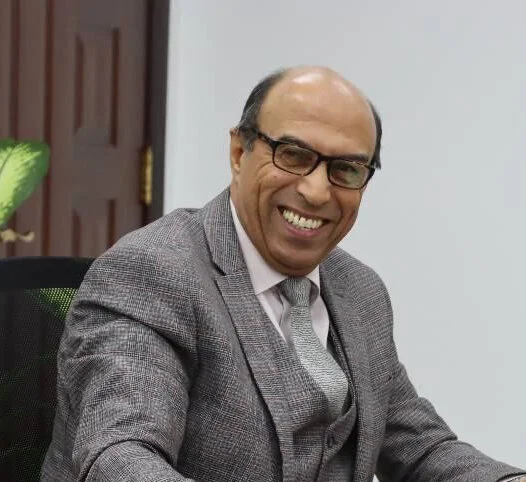
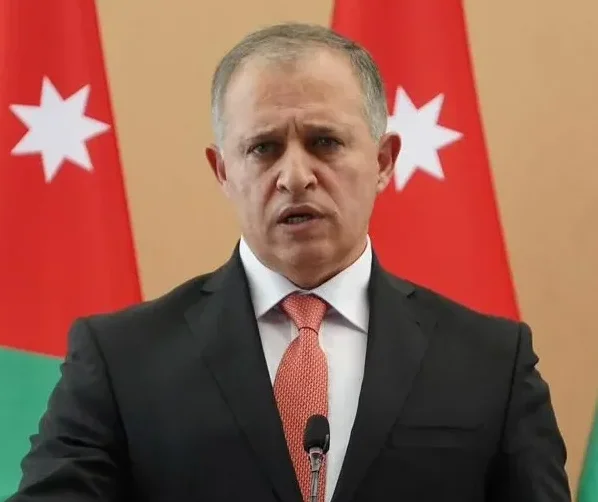
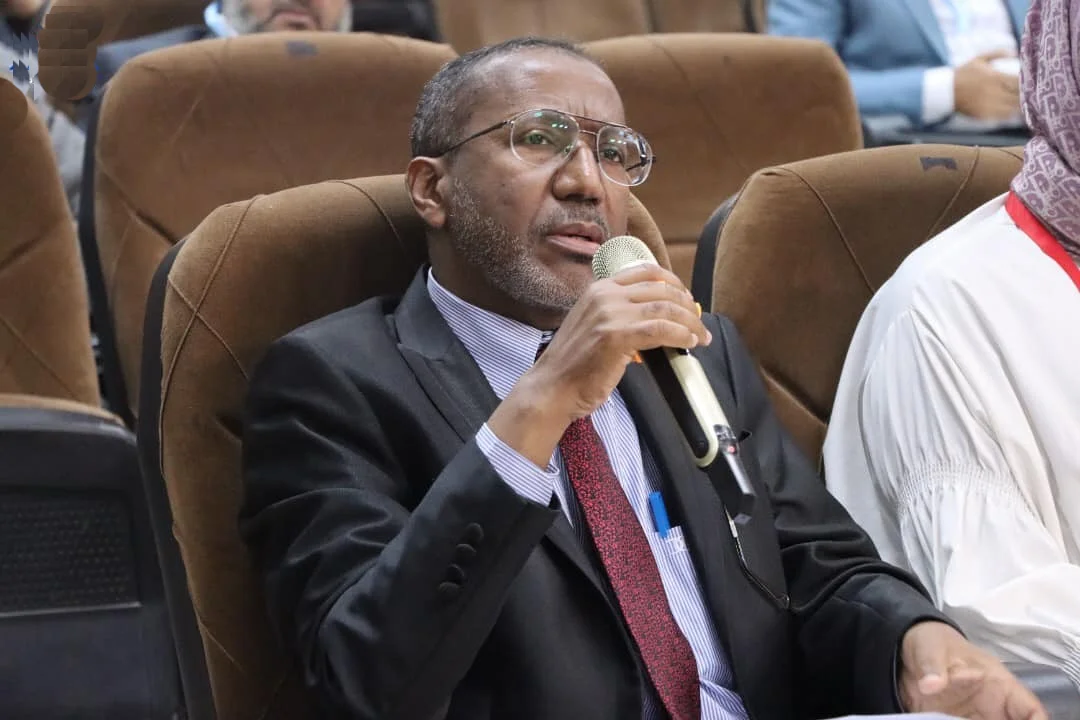
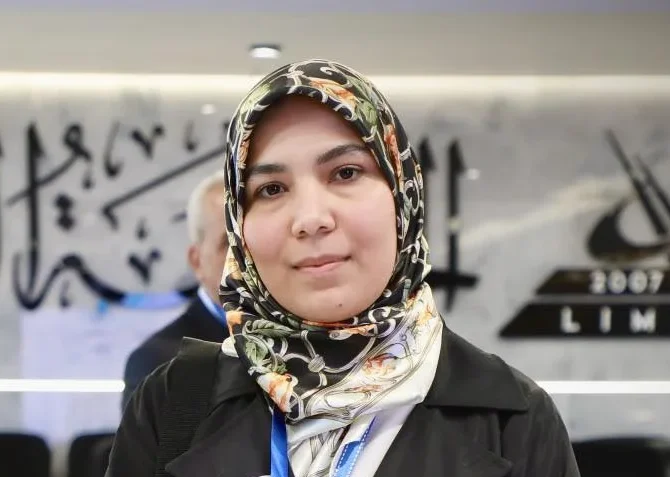
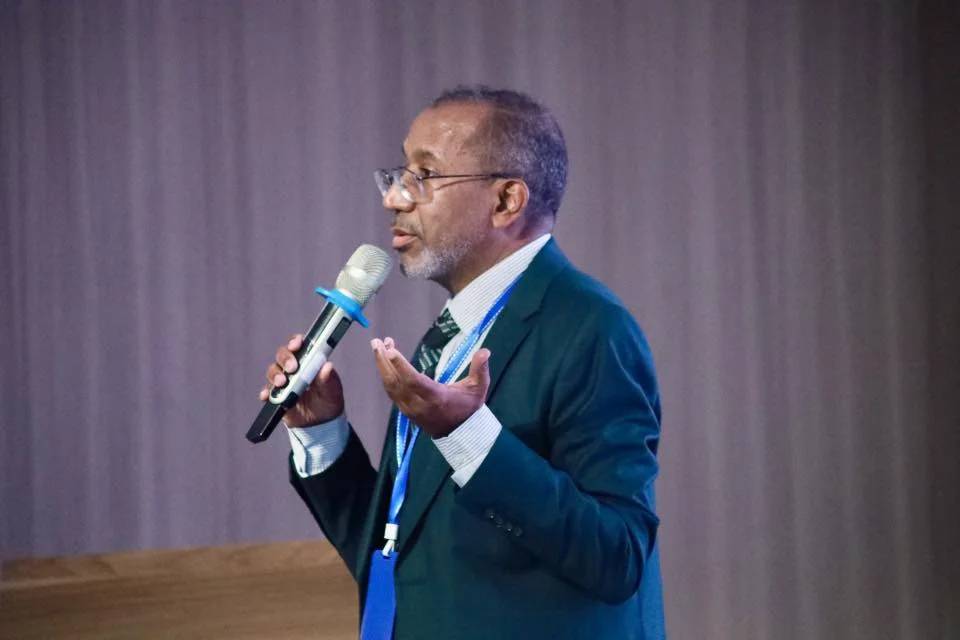
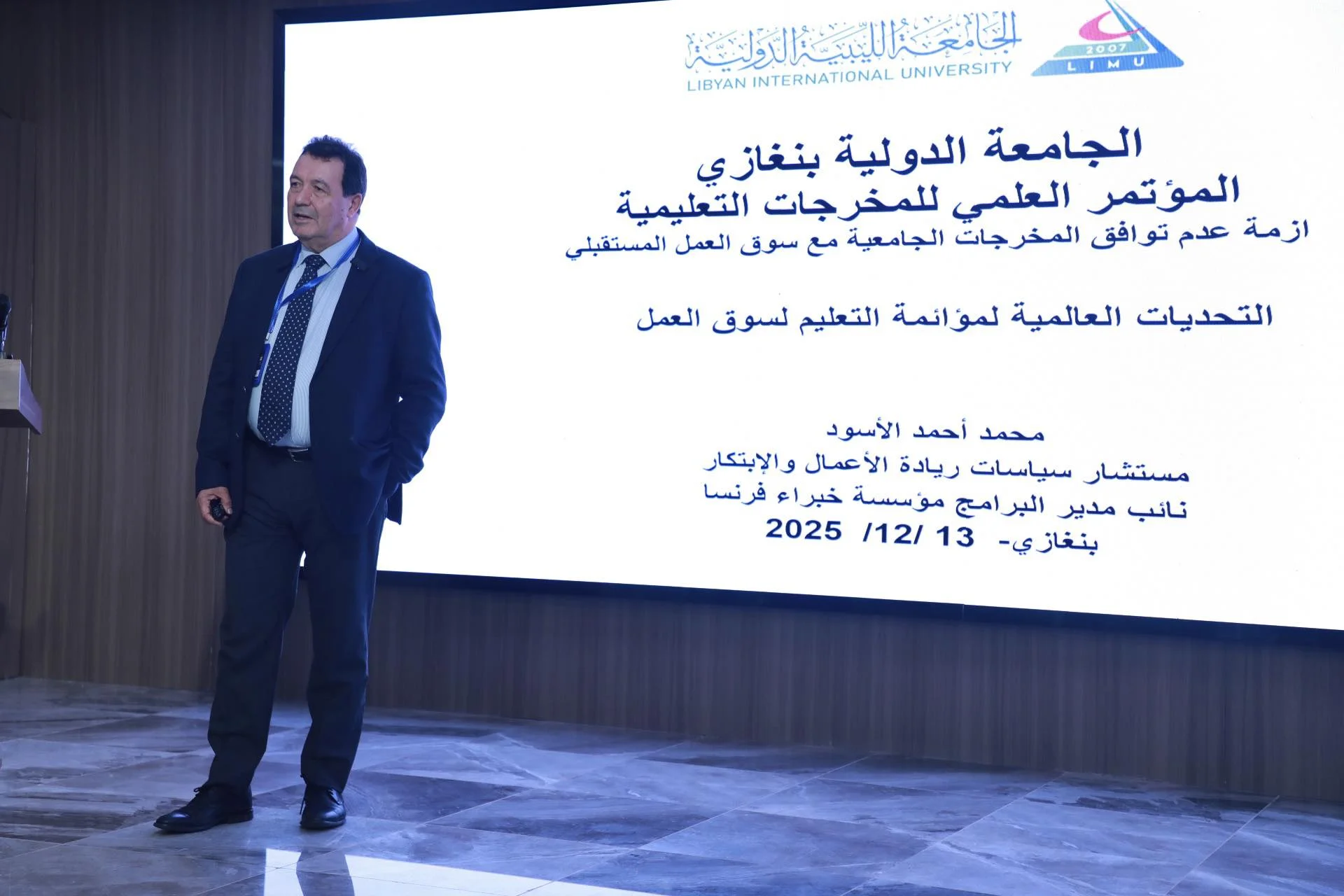
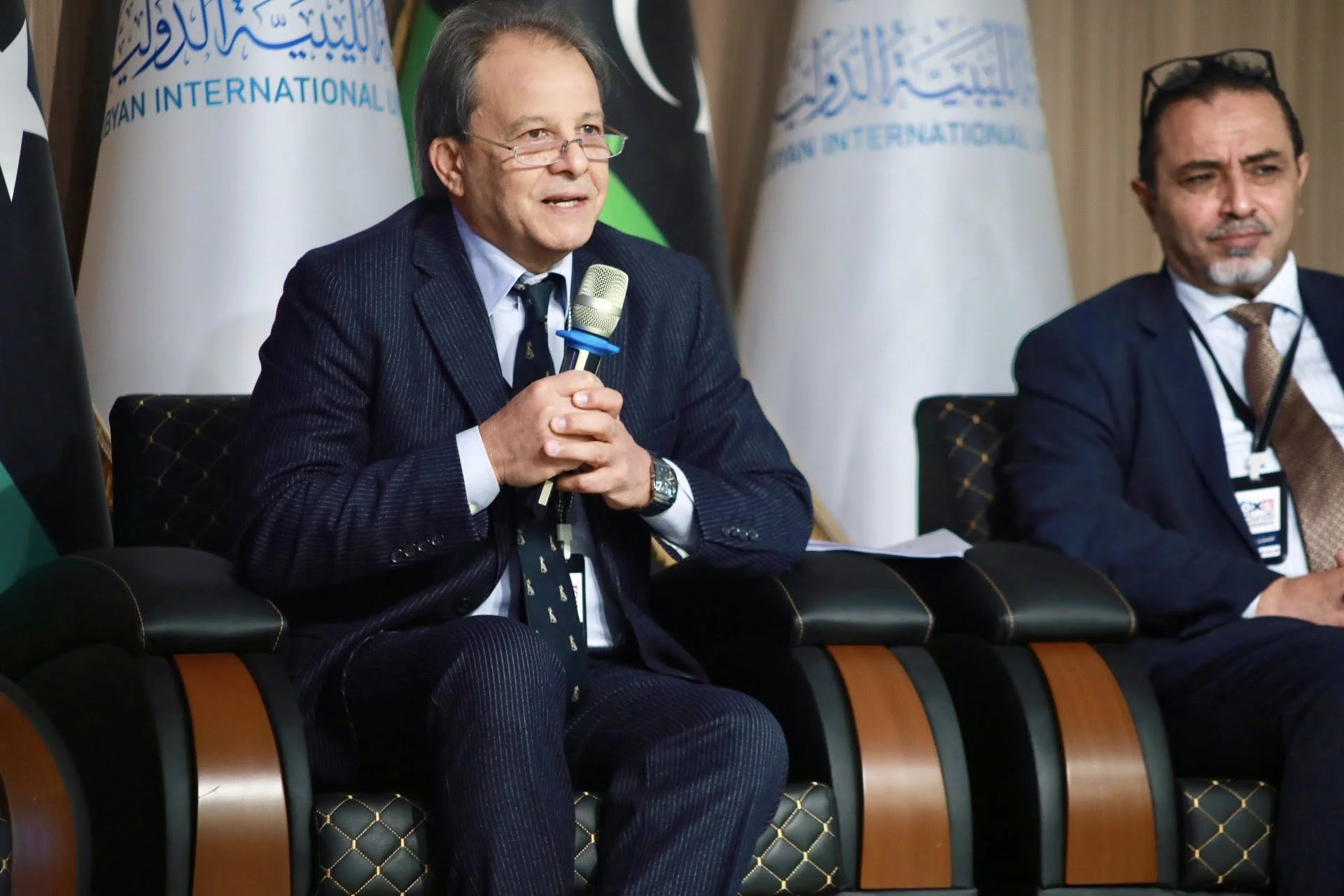
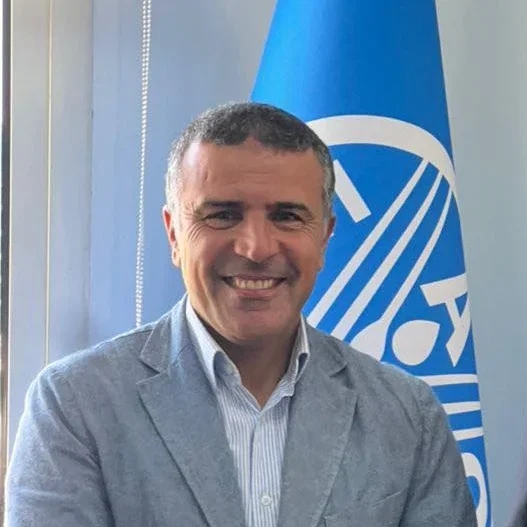
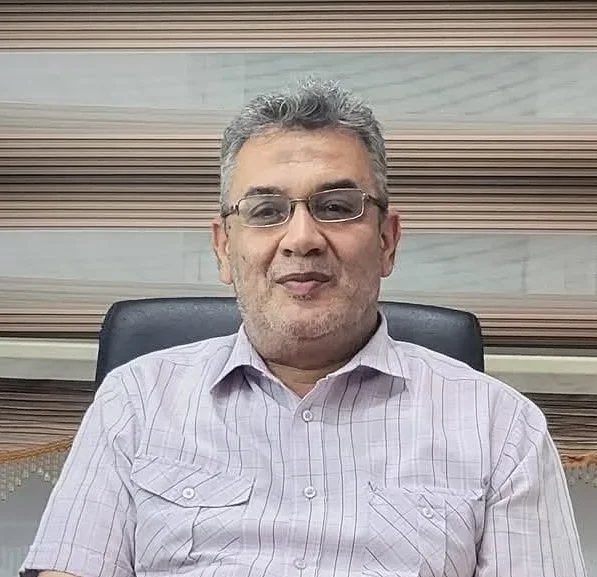
Meet Our
Speakers
Graduate Skills
Conference Agenda
Day 1: Opening and Main Sessions
08:45 - 09.00 AM | Registration
09:00 – 09:05 AM | Opening
09:05 – 09:15 AM
09:15 – 10:00 AM | Keynote presentation
10:00 – 10:15 AM | Audience questions
10:15 – 11:00 AM | Keynote presentation
11:00 – 11:15 AM | Audience questions
11:15 – 11:30 AM | Coffee Break
11:30 – 12:00 | Keynote presentation
12:00 – 12:15 | Audience questions
12:15 – 12:45
12:45 – 13:00 | Audience questions
13:00 – 13:30
13:30 – 13:45 | Audience questions
13:45 – 14:30
14:30 – 15:30 | Lunch Break
Day 2: Future perspectives and closing sessions
09:30 - 10.00 AM | Keynote presentation
10:00 – 10:15 AM | Audience questions
10:15 – 10:45 AM
10:45 – 11:00 AM | Audience questions
11:00 – 11:30 AM
11:30 – 11.45 AM | Audience questions
11:45 – 12:15 | Coffee Break
12:15 – 12:45 | Keynote speaker
12:45 – 13:00 | Audience questions
13:00 – 13:30
13:30-13:45 | Audience questions
13:45 – 14:30 | Workshop
14:30 – 15:00 | Audience questions
15:00 | Closing remarks and lunch
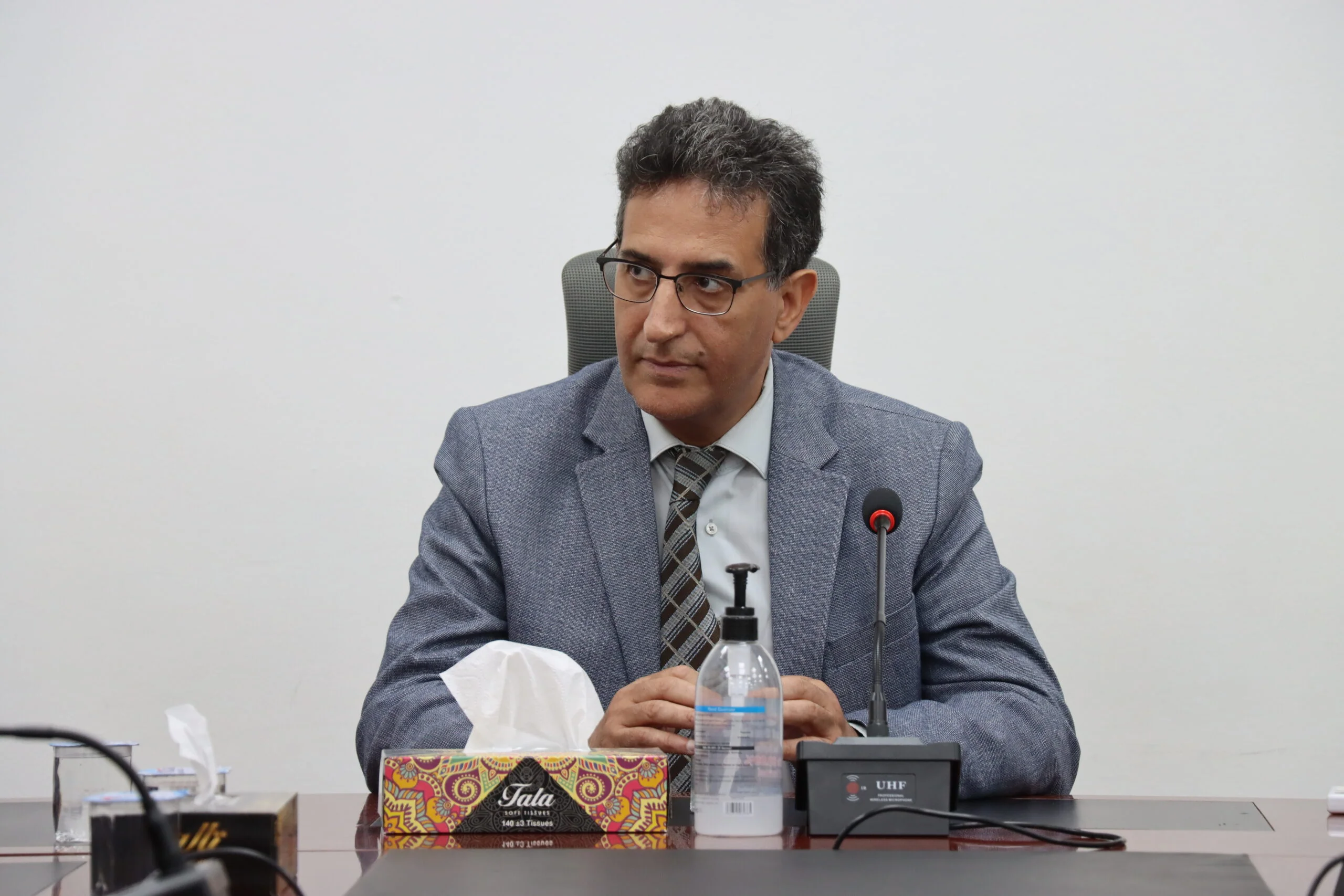
Meet Our
Scientific Committee Members
Target Audience
This conference serves as a meeting point between education and the economy, aiming to create a practical link between academic output and the needs of the dynamic future market. Therefore, the involvement of all the following groups is essential for its success and the achievement of its desired goals.
- Ministries of Higher Education and Education
- Accreditation and Quality Assurance Bodies
- National Councils for Education and Planning
Role: To formulate policies and strategies to ensure education aligns with development requirements.
- University and College Presidents
- Deans and Academic Program Directors
- Faculty Members
- Role: To redesign curricula, develop programs, and direct research toward future market issues.
- Undergraduate Students
- Recent Graduates
- Postgraduate Students
- Role: As the direct beneficiaries of the conference outcomes, they will receive practical guidance for the labour market.
- Representatives of large corporations and startups
- Chambers of Commerce and Industry
- Business and Employer Associations
- Role: To identify required skills and provide a clear perspective on the gap between education and available jobs.
- Social Security and Pension Funds
Role: To monitor and analyze the labor market and provide data that aids in the development of educational programs.
- Ministries of Planning and Economy
- Investment and Human Development Authorities
Role: To link education with the state’s economic vision and sustainable development agenda.
- Researchers in the fields of education, innovation, and the knowledge economy
- Human resources and institutional development consultants
Role: To provide future insights, analyses, and evidence-based recommendations.